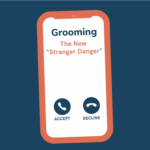

Every day, children and young people in Nigeria and across Africa go online to learn, connect with friends, and explore the world. But lurking in these digital spaces are predators who use carefully planned tricks to gain trust and cause harm.
Digital grooming is when an online predator uses tricks and lies to befriend and exploit children and teens. This is happening right now, in the direct messages, comment sections, and group chats that young people use every day.
Digital grooming is not random harassment. It is a planned process where someone (often an adult) uses the internet to build a relationship with a child, with the goal of abusing them. These predators follow a pattern: they target vulnerable young people, slowly gain their trust, isolate them from family and friends, and then introduce sexual content to make abuse seem normal.
The numbers are frightening. Worldwide, children are often unsure what’s normal: shockingly, one report found 1 in 4 kids aged 9–12 think it’s normal to date an adult.
Studies show that up to 20% of youth aged 12-17 in African countries have experienced online sexual abuse in just one year. In Nigeria, between 60-80% of female secondary school students have faced online grooming attempts. That means most young women are encountering this threat regularly.
But here’s what gives us hope: when young people, parents, and educators know what to look for, they can stop grooming before it causes harm.
This publication identifies 16 specific acts of digital grooming that must end.
Some may seem harmless at first. That’s exactly how groomers want it to appear; hence, understanding these tactics is the first step to stopping them