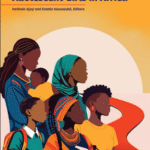
This Guidance underscores the critical importance of creating equitable access to safe, dignified menstruation management for all, especially adolescent girls, transgender men, and non-binary persons. It highlights UNICEF’s commitment to integrating MHH into broader health, education, and gender equality strategies. The guidance emphasizes four key determinants: social support, knowledge and skills, facilities and services, and materials and supplies, while also focusing on vulnerable populations such as girls with disabilities and those in humanitarian crises. It offers practical advice for designing programs that are scalable, evidence-based, and inclusive, while stressing the importance of gender-transformative programming and multi-sectoral collaboration.
Adolescent Resource Center (ARC)